




How to Build the Ultimate MP3 Music Library: Tips and Tricks
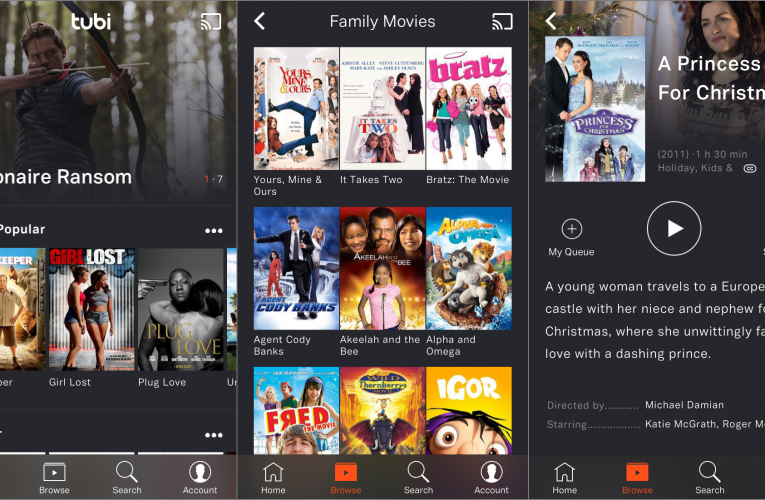
Tired of listening to the same old songs on repeat? Want to create a music library full of fantastic tunes you can listen to whenever you like it? Building an ultimate MP3 music library is easier than you think, and Tubidy Mp3 Download can help. Here are some tips and tricks for getting started.
1. Identify Your Musical Taste
The first step in building your dream music library is determining what type of music you like. Are you into classic rock or contemporary pop? Do jazz or heavy metal get your blood pumping? Get specific with what genres, artists, and albums appeal to your musical taste. Knowing this will make searching for new tracks to add to your collection easier.
2. Start Collecting Music
Once you’ve identified what kind of music fits your style, start collecting it! You can purchase individual albums or songs from online streaming services like Spotify or Apple Music, download free songs via Tubidy Mp3 Download, or rip CDs that belong to you onto a hard drive for storage.

3. Organize Your Tracks
Organizing your tracks is key if you want a seamless experience while browsing through your music library. Most media players have built-in sorting tools that allow you to categorize files by artist, album title, genre, etc., making it easier for users to find their desired track quickly and efficiently. Additionally, many audio files will come with embedded metadata (such as artist name and song title) which helps further organize audio files automatically based on tags provided by the source itself (e.g., iTunes).
4. Add Album Artwork
Adding artwork/album covers adds visual appeal when scrolling through your music library and makes it easier to identify which album belongs to which artist/songwriter/genre – without having to read all the file names first! This extra bit of personalization also makes the entire process more enjoyable when selecting tracks from within an application that supports artwork display (like iTunes).
5. Backup & Synchronize Your Library
It’s important not only to store all of your mp3s locally but also to back them up remotely in case something happens where they’re lost due to hardware failure or other unforeseen circumstances such as theft or fire damage – most cloud storage services offer automatic synchronization features that make this job much simpler (and safer!) than ever before! Additionally, many modern media players now support syncing across multiple devices so no matter where you go – work computer, home laptop – access all the same content seamlessly between any device connected with one account login credentials provided by said service provider(s).
6. Create Playlists for Different Occasions
Playlist creation is another great way to customize how often certain tracks rotate when played from within a given playlist folder – it’s also perfect for creating special mixes tailored to different occasions, e.g. ‘romantic dinner party’ vs. ‘late night chill session’ and so on! This feature is particularly useful for creating unique collections for birthdays/holidays/etc, rather than relying on random shuffle mode when someone wants to listen to something new during playback sessions over speakers around the house.
7. Explore Digital DJ Mixers & Controllers
Another fun way to explore sound beyond just playing pre-recorded music files straight from laptops/smartphones is to invest in either digital DJ mixers or controllers, depending on user preference & budget constraints – these days, there are plenty of options available regardless of skill level range; ranging from simple beginner models right up to pro-grade pieces capable of producing professional quality mixes in real-time without the need for external gear, manually inputting anything beforehand outside the system itself! The possibilities are truly endless…

8. Keep it fresh by keeping up with new releases
Finally – keep an eye out for new releases coming out regularly to stay ahead of the game musically speaking; keeping current top singles chart listings posted nearby ensures you always know what is trending & helps to stay relevant among peers who might be interested in hearing about the latest jams coming down the pipeline before anyone else does so they too can join the conversation feeling confident that their knowledge base is current topics being discussed conversationally amongst friends family members alike! This not only gives bragging rights but also keeps one’s personal musical tastes fresh, constantly expanding as times change accordingly along the way; life changes accordingly alongside us too…
In conclusion, building an ultimate MP3 music library doesn’t have to be an overwhelming task – some thoughtful planning and research prior to getting started along with combining various sources both online and offline along with countless amount of methods mentioned above should ensure smooth sailing throughout the entire journey adventure awaits those brave enough to take the plunge head first into the next stage of evolutionary musical discovery awaits! Be sure to check out Tubidy Mp3 Download website for more information regarding downloading free mp3 songs safely today thanks to technological advances made possible in recent years.